Emergency leadership hardly ever appears like a hero shot in a movie. It usually resembles a calm voice on a crackling radio, a hand on a shoulder directing a person to an exit, and 2 or three clear decisions made under pressure that maintain a structure filled with individuals secure. Chief warden training transforms that sort of composure into a repeatable capability. It blends technological expertise, human variables, and technique that sticks when alarms shriek and exposure drops.
I have stood in control spaces during genuine emptyings, where the distinction between confusion and order boiled down to the chief warden's prep work. The appropriate training produced an atmosphere where wardens and owners trusted the plan, followed instructions, and obtained outdoors quickly. This write-up unloads what solid chief warden training resembles, just how it gets in touch with devices such as PUAoPE systems like puafer005 and puafer006, and what you must anticipate if you are constructing or freshening a program for your site.
The function of the principal warden
The chief warden is the case leader for on-site emergency situations up until handover to emergency solutions. That leadership rests within an Emergency Control Organisation, normally abbreviated as ECO. The ECO framework provides you a pecking order, defined responsibilities, and standard interactions. In useful terms, the chief warden sets technique, assigns wardens, escalates or downgrades feedback degrees, and makes the call to leave, move, or shelter in place.
Chief warden responsibilities include:
- Establishing the control factor and coordinating wardens through radios or joggers, tracking zones removed, persons requiring assistance, and hazards reported. Making choices concerning discharge strategy, such as organized vs complete emptying, vertical vs straight movement, and backups for obstructed routes. Managing details flow to passengers and emergency solutions, consisting of a succinct scenario report, headcount status, and any kind of unsafe items or plant issues. Overseeing post-incident actions such as all-clear, re-entry, debrief, and record keeping.
Those responsibilities expand in facility websites. A chief emergency warden in a healthcare facility, for example, weighs client skill, life assistance devices, and compartmentalisation while collaborating with scientific leads. In a circulation centre, it may imply zoning forklifts to discontinue movement and isolating electric systems while maintaining high-bay aisles from becoming canal. Educating requirements to mirror those facts instead of simply book scenarios.
Where puafer005 and puafer006 fit
Two country wide identified devices in Australia underpin this capability. The first, puafer005 operate as part of an emergency control organisation, addresses the fundamental abilities for wardens. A puafer005 course covers establishing situational recognition in an emergency, finishing a systematic search of a floor or area, assisting individuals with disabilities or mobility issues, and making use of communications and fire devices within the extent of a warden's duty. For the fire warden requirements in the workplace majority of workplaces, puafer005 underpins fire warden training requirements and creates the baseline for any individual joining the ECO.
The 2nd, puafer006 lead an emergency control organisation, builds the management layer. A puafer006 course goes into coordination, decision making, and case leadership. It covers establishing a command post, conducting dynamic risk assessment, adapting the emergency situation plan to unfolding problems, and leading a multi-wardens group under anxiety. If you are entering chief warden training, puafer006 is the system to look for.
Many suppliers bundle these right into a path: a warden course for those joining the ECO, then a chief fire warden course for those who will certainly lead. Inspect currency of devices and how the training is contextualised to your website with your carrier. If your facility has unique risks, from lithium-ion storage space to confined rooms, make sure the course web content addresses them.
What good training looks like
Strong programs do three things constantly. They make the material functional and site-specific. They train repeatable practices for high anxiety. And they mix class deal with drills that really feel real without presenting unneeded risk.
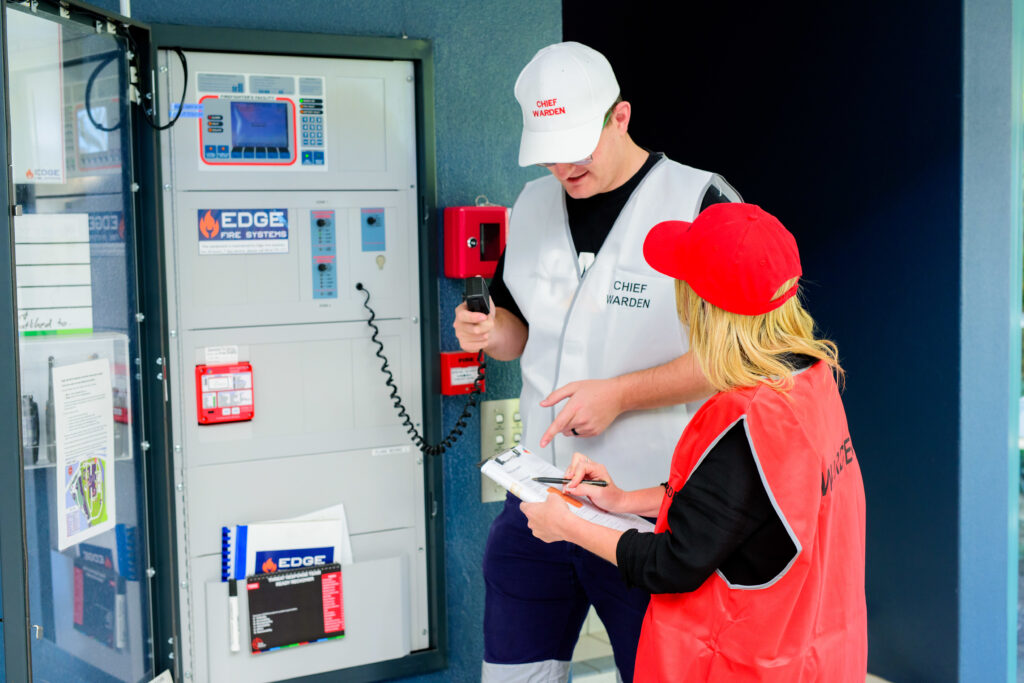
In a good fire warden course or emergency warden course, you should see site strategies marked up with actual hydrant and hose pipe reel places, setting up locations, and route canal. You ought to manage and inspect devices within your extent, such as extinguishers, hose reels, break-glass alarms, and the fire sign panel interface to the level allowed. You need to exercise radio discipline, consisting of using call indicators, clear message, and brevity methods. If the structure has a public address system or occupant warning system, you must exercise making news that are brief and specific.
Chief fire warden training adds the layers that divide proficient from outstanding. That includes appointing wardens by function as opposed to name, so if the usual flooring warden is away you currently have a replacement. It consists of tension inoculation with time-boxed choices, such as picking in between a complete or partial emptying based upon smoke spread, or switching over the strategy when a leave is obstructed. It teaches you to detect the distinction in between a clean alarm from a detector in a storage room and a warm increase across numerous detectors on different loops, and why that distinction modifications your actions.
Good training also deals with the people side. A lot of evacuees are cooperative, however you will certainly meet the stubborn, the worried, the person with headphones, and the worker that demands grabbing a laptop. Role play those communications with reasonable scripts. Exercise how you speak to someone with limited English. Find out to recognize that requires a personal emergency situation emptying plan and exactly how to use an evacuation chair safely.
Fire warden demands in the workplace
Regulatory obligations differ across territories, yet a few principles hold. The individual conducting an organization or task needs to ensure, so far as reasonably practicable, the health and wellness of workers and others. That includes emergency situation strategies, appointment of an ECO where required, and training workers on discharge and very first feedback. Fire warden requirements generally require adequate wardens to clear all locations, coverage throughout changes, regular training and drills, and clear signage for exits and equipment.
For a multi-storey office with 500 residents, you could need a chief warden, a deputy, several interactions officers, and several wardens per floor or zone. For a tiny storehouse with 20 people, you still need insurance coverage for breaks and leave. I such as the policy of one warden for every single 20 to 30 passengers in office settings, changed for design and danger. In risky facilities or those with mobility-impaired occupants, increase that ratio.
The legislation does not prescribe fire warden hat colour, yet the practice of using colour-coded helmets or hats prevails since it aids recognition when visibility goes down or visitors are present. The usual convention in Australia makes use of white for chief warden, yellow for wardens, and red for interactions or professionals, though variations exist. If you are asked what colour helmet does a chief warden wear, the typical answer is white, and you can mark it with a distinct band or tag. The very same logic puts on chief warden hat colour in many workplaces, and uniformity throughout sites helps.
Inside the ECO: roles and handoffs
An ECO works when every role is clear and cross-trained. Chief warden, replacement, communications police officer, flooring wardens, area wardens, and first responders such as very first aiders ought to recognize the strategy and each various other's responsibilities. Easy techniques like basic radio phone call signs avoid mayhem. As an example, Chief, Comms, Floor 12, Stair A, and Assembly North are less complicated to say and listen to than impromptu names.
Handoffs issue. If a warden gets rid of a zone, that verification ought to consist of the standing of toilets, storage rooms, conference room, and any kind of secured areas. If a person refuses to leave, the warden logs the name, area, and factor, and the chief warden chooses exactly how to intensify. If firefighters arrive and take command, the chief warden gives a concise quick: building type, alarm origin, evacuation condition, staying persons, hazards such as gas bottles or battery rooms, and accessibility constraints.
A robust debrief after drills and genuine cases sets the culture. The very best debriefs are brief, sincere, and concentrate on renovation rather than blame. If Stair B jammed with passengers and movement aids, learn why and readjust. If radios stopped working in the cellar, locate the dead area and think about a runner or a various network. Track these searchings for and feed them into the following warden training.
Building the chief warden ability set
The craft of a chief warden is part technological, part management. Below are the skills I seek when assessing readiness.
- Decision making under time stress. Use an easy version: recognize the issue, think about 2 or 3 choices, choose, and interact. Perfection is the opponent of speed when smoke is spreading. Communications that punctured. Short, details, and confident. "Evacuate via Stairway A to Assembly South. Prevent the west entrance hall." Avoid jargon unless you are speaking with wardens or firefighters. Situational recognition. Review the panel, the radios, and what your wardens see. If the alarm gets on Level 7, however you have reports of smoke on Level 9, broaden the search and think about vertical spread. Delegation and trust fund. Designate tasks and allow wardens execute. If you micromanage from the control point, you end up being a bottleneck. Emotional regulation. Your tone sets the room. Individuals read your face and voice. Train breathing and psychological scripts that keep you level.
Those skills do not get here from a slide deck. They come from repeating, drills that simulate stress, and truthful responses. A good chief warden course will put you on the radio, give you a scenario with incomplete information, and force a decision in secs. It will certainly show you how to use a whiteboard or a simple log sheet to track industries cleared, persons missing out on, and issues impressive. It should likewise address fatigue. A ten-minute discharge can feel like 2 hours if you are managing multiple inputs.
Fire tools, panels, and boundaries
Wardens have restricted extent with fire tools, however they need to recognize what is risk-free and anticipated. Pressing a manual telephone call factor, making use of an extinguisher for a little incipient fire if educated and risk-free to do so, isolating an area, and closing fire doors are typical actions. Principal wardens require knowledge with the fire indicator panel, passenger caution system, and any building monitoring system interfaces. They do not need to be service technicians, but they need to recognize how to silence regional sounders after an all-clear if authorised, just how to read the alarm origin, and how to locate detector zones.
Boundaries matter. If the fire is expanding, the telephone call is evacuation, not heroics. The guideline is straightforward: never ever put individuals in a placement where they can be entraped by smoke or warm. A small waste bin fire that is not spreading out can be regulated with the right extinguisher by someone trained, separating the fire and the leave, and with a backup. Anything more advanced comes from the fire service.
Special scenarios that need practice
Every website has side cases. A chief fire warden requirements program need to include circumstances past the easy ones.
- Power failure during an alarm. Lifts quit, emergency situation lighting only, stairways crowded. Exactly how will certainly you connect and move mobility-impaired occupants? Smoke in a parking lot with car activity. Exhaust fans, sprinker activation, and poor radio coverage complicate this. Pre-plan jogger routes. Construction functions changing egress. Short-term hoardings can create stumbling blocks. Update your discharge representations and short wardens. Hazardous products release. An unusual odor on a lab floor requires isolation and shelter in position rather than a full discharge that pushes people into a plume. Train that distinction. Civil emergency situations. Severe weather or a safety and security incident might require lockdown or shelter as opposed to evacuation. Your emergency warden training need to cover these alternatives with clear triggers.
Those situations show flexible reasoning. The chief warden's stamina is not adhering to a single manuscript, but knowing when to switch from one secure action set to another.
The human factor: helping occupants
A warden course that deals with evacuees as dots on a strategy misunderstands. Individuals evacuate in collections, they think twice, they search for pals, and they worry about belongings. The chief warden can not address every problem, yet can form the flow. Usage solid wardens at choice factors like stairwells and lobbies. Position your best communicators with teams that consist of visitors or non-native speakers. Appoint someone to shadow individuals with individual emergency situation emptying plans, such as an associate that understands how to use an evacuation chair.
For high-rise websites, upright traveling is the tough component. Urge a consistent rate, single file on Discover more the right or left depending upon local convention, and routine short pauses if warmth or tiredness increase. If you have actually fire separated stairways with pressurisation, maintain doors closed as high as feasible to preserve stress and lessen smoke access. If somebody can not continue, move them to a touchdown or refuge location, record the area, and inform the chief warden. Rescuers need accurate details to reach them quickly.
Colour, recognition, and visibility
People inquire about fire warden hat colour due to the fact that when the alarm system seems, exposure and sound challenge recognition. High-visibility vests with clear tags, lanyard cards, and helmets or hard hats are all devices to make wardens visible. As kept in mind earlier, chief fire warden hat colour is commonly white, while wardens put on yellow. Communications officers might put on red or another distinct colour. Whatever you select, maintain it constant and ensure spares are accessible at the control factor and on each floor. The concern, what colour helmet does a chief warden wear, ought to have a one-line response in your emergency plan so visitors and service providers align with website practice.
Drills that matter
I have seen drills that throw away every person's time, and drills that hone a group. The distinction is in the configuration and debrief. Shock is beneficial, yet not whenever. Focus on learning goals. If you intend to practice stairwell flow and radio discipline, select a scenario that drives individuals down stairways and stresses the network. If you want to examine a shelter-in-place strategy, craft a substitute external danger and see how well doors are secured and interactions cascade.
Track metrics. Time to first announcement. Time to clear each flooring. Percentage of owners that used the closest exit. Radio clearness and airtime equilibrium. Missed rooms. Real numbers beat unclear perceptions. Over two or 3 drills, you must see consistent improvement. Otherwise, examine your warden training material and the chief warden's command style.
Selecting and sustaining primary wardens
Not every good warden makes a good chief. Try to find calm under pressure, a clear voice, and regard among peers. Provide the puafer006 course and routine refresher courses. Couple new principals with experienced deputies throughout drills. Give devices that make the job easier: a grab bag with high-vis vests, extra radios, floor lists, a laminated cheat sheet with crucial news and decision causes, marker pens, and a logbook. If your site is huge, think about a mobile whiteboard or a tablet computer with a basic incident log template.
Support from monitoring is non-negotiable. If a chief warden suggests extra wardens on Level 4 because of brand-new lessees, act upon it. If radios are falling short, fix the infrastructure. If drills expose that an assembly location is also near to a possible threat, select one more place and upgrade signage. Chief wardens invest power in the function when they see that the organisation takes their findings seriously.
Alignment with organization continuity
Evacuation is the instant objective, yet occurrences surge. Chief warden training should dovetail with organization continuity and dilemma administration. Who makes the telephone call to send individuals home vs hold at assembly? How do you protect the site after an evacuation to avoid re-entry up until the all-clear? Who connects with customers and the media if the occurrence attracts focus? The chief warden does not need to carry all these jobs, but the handshakes between groups need to be defined.
For example, after an all-clear, re-entry needs to be presented. Crucial procedures team return initially to recover systems, after that basic personnel. An interactions police officer drafts a brief upgrade for occupants and stakeholders. Protection validates that no fire doors have actually been wedged which evacuation tools is returned to stations. The chief warden validate the incident log and schedules the debrief.
How typically to educate and refresh
Competency rots. For the majority of workplaces, emergency warden training need to be revitalized every year, with drills two to 4 times per year. Chief warden training gain from a preliminary thorough training course, then scenario-based refreshers every 6 to one year. If you experience turnover, run ad hoc sessions to keep insurance coverage intact. New designs, renovations, or brand-new dangers should set off a targeted warden course update.
Track presence and competence, not just conclusion. A tick-box technique breeds complacency. If a warden continually misses drills or shows weak radio discipline, supply mentoring or replace them. Your ECO is just as solid as its energetic members.
Matching training to different environments
A one-size program under-delivers in specialist environments.
- Offices and education and learning. Concentrate on high occupant numbers, differed familiarity with the site, and orderly stairwell flow. Public address messaging clarity is crucial. Warehouses and production. Address plant isolation, harmful processes, forklifts, and high-rack aisles. Noise and hearing protection make complex announcements. Healthcare and aged care. Train horizontal emptyings, person movement, professional coordination, and life-support considerations. Sanctuary in place may be the key response. Retail and enjoyment. Visitors dominate. Signage, usher-like support, and multilingual communication issue. Group dynamics can change quickly. Labs and information centres. Stress harmful products, special suppression systems, and connection concerns. Some areas might have postponed re-entry procedures after reductions discharge.
When choosing a chief warden course, ask suppliers to demonstrate how they adapt situations and resources to your setting. If they can not, maintain looking.
Common challenges and how to avoid them
I see the exact same traps across industries. Over-reliance on a solitary charismatic chief warden creates a vulnerability. Build a bench. Radios with dying batteries throughout alarm systems prevail. Set a billing regular and check radios at the beginning of shifts. Discharge representations that drag flooring modifications cause misroutes. Schedule evaluations whenever a fit-out shifts wall surfaces or doors. Wardens who hesitate to test elderly supervisors slow evacuations. Provide wardens the authority, sustained in policy, to route everyone to comply with instructions, no exceptions.

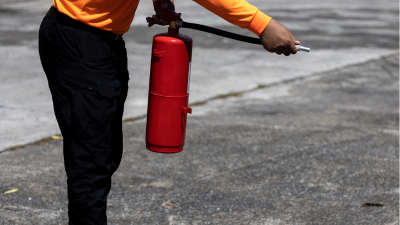
Another constant concern is confusion over extinguishers. Individuals get hold of the nearby without checking. Short refresher course training that covers the PASS technique and which extinguisher to make use of for which class of fire lowers risk. Make it clear that trying to combat a fire is volunteer and additional to evacuation.
Credentials, documents, and evidence of competence
For compliance, maintain documents of all training: puafer005 course completions for wardens, puafer006 course conclusions for chief wardens, participation at drills, and any professional modules such as discharge chair use. Keep a current checklist of wardens by floor and function, with deputies. Store case logs from drills and real occasions. If regulators or insurance providers ask for evidence of your emergency warden training, you need to have the ability to generate it within minutes.
Certificates issue, yet observed efficiency matters extra. Throughout drills, have a viewer score essential activities: prompt news, clear radio phone calls, zone clearances, and setting up head counts. Use those scores to plan the next refresher.
A note on titles and terminology
Different organisations claim chief warden, chief fire warden, or chief emergency warden. The feature coincides: lead the ECO. Some utilize emergency warden or fire warden interchangeably. If your site has added roles such as incident controller or floor marshal, map them to the very same duties so outside responders recognize your structure.
As for visual identifiers, maintain them straightforward. The chief warden hat is white in a lot of practices, wardens are yellow, and expert duties can be noted by tag instead of more colours. If you standardise across websites, training ends up being much easier and visitors discover to identify leaders quickly.
Bringing it together
Strong chief warden training turns plans right into activity. It makes decisions cleaner, communications crisper, and emptyings quicker. Devices such as puafer005 operate as part of an emergency control organisation and puafer006 lead an emergency control organisation offer a strong scaffold, however the actual gains come from website context and practice. If you are in charge of your workplace's emergency situation preparedness, buy a warden course that drills the basics and a chief warden course that constructs management. Check the plan with reasonable circumstances, support your ECO with the right tools, and deal with every drill as an opportunity to learn.
On the day an alarm transforms real, you will certainly be happy for the hours you invested practicing a calm voice on the radio, a definitive telephone call at the control point, and a team of wardens that know their duties by heart. That is what chief warden training is for, and it is the type of management that silently saves lives.
Take your leadership in workplace safety to the next level with the nationally recognised PUAFER006 Chief Warden Training. Designed for Chief and Deputy Fire Wardens, this face-to-face 3-hour course teaches critical skills: coordinating evacuations, leading a warden team, making decisions under pressure, and liaising with emergency services. Course cost is generally AUD $130 per person for public sessions. Held in multiple locations including Brisbane CBD (Queen Street), North Hobart, Adelaide, and more across Queensland such as Gold Coast, Sunshine Coast, Toowoomba, Cairns, Ipswich, Logan, Chermside, etc.
If you’ve been appointed as a Chief or Deputy Fire Warden at your workplace, the PUAFER006 – Chief Warden Training is designed to give you the confidence and skills to take charge when it matters most. This nationally accredited course goes beyond the basics of emergency response, teaching you how to coordinate evacuations, lead and direct your warden team, make quick decisions under pressure, and effectively communicate with emergency services. Delivered face-to-face in just 3 hours, the training is practical, engaging, and focused on real-world workplace scenarios. You’ll walk away knowing exactly what to do when an emergency unfolds—and you’ll receive your certificate the same day you complete the course. With training available across Australia—including Brisbane CBD (Queen Street), North Hobart, Adelaide, Gold Coast, Sunshine Coast, Toowoomba, Cairns, Ipswich, Logan, Chermside and more—it’s easy to find a location near you. At just $130 per person, this course is an affordable way to make sure your workplace is compliant with safety requirements while also giving you peace of mind that you can step up and lead when it counts.